
Straight
The brow follows a relatively level path with limited vertical rise and a softer change of direction around its highest point.
Eyebrow shape detector
Use an eyebrow shape analyzer to identify straight, arched, or angled contours for each brow through direction, peak, length, thickness, and placement evidence.
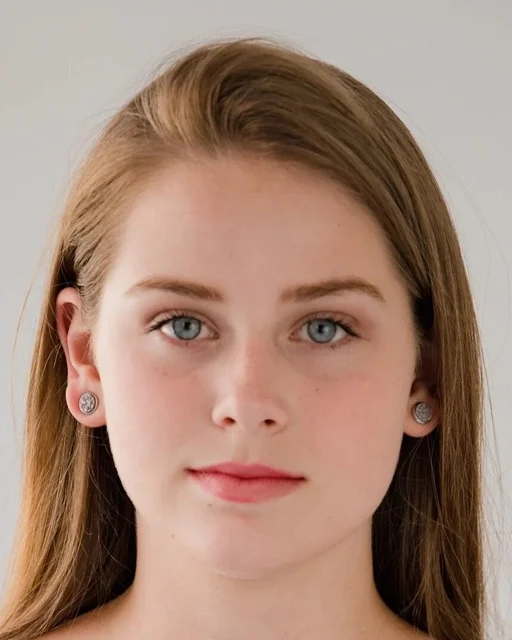
Arched
sample type
2
brows
6
dimensions
Choose a photo
Use: Use a clear photo with brows visible.
Avoid: Avoid blur, obstructions, or heavy filters that hide this detail.
Use: Use a clear photo with light brow makeup.
Avoid: Avoid blur, obstructions, or heavy filters that hide this detail.
Use: Use a clear photo with front-facing.
Avoid: Avoid blur, obstructions, or heavy filters that hide this detail.
Use: Use a clear photo with even light.
Avoid: Avoid blur, obstructions, or heavy filters that hide this detail.
Eyebrow shape types
This eyebrow shape detector compares the visible contour of each brow separately. It classifies straight, arched, or angled shapes, then uses direction, peak position, length, thickness, and brow-to-eye distance to explain the result.
The brow follows a relatively level path with limited vertical rise and a softer change of direction around its highest point.
The contour rises and falls through a rounded curve, with the peak integrated into one continuous line.
The brow shows a clearer change of direction around the peak, creating more distinct rising and descending segments.
Measurement
An eyebrow shape analyzer needs more than arch height. KnowMyFace reads the contour path, arch strength, overall direction, peak position, visible length, thickness, and distance from the eye for the left and right brows.
Contour separates a gentle curve from a clearer directional break. Peak position shows where the highest point sits, while length and thickness describe the visible frame around the eye.
Distinguishes a level path, a rounded rise and fall, and a more defined directional break.
Shows whether the brow rises, stays level, or descends and where its highest point appears.
Explains the visible brow span, density of the frame, and space between brow and eye.
Comparison
Similar brow shapes can share the same height or thickness while differing in contour. Use the deciding feature below instead of judging the category from one peak.
| Easy to confuse | What they share | The deciding difference |
|---|---|---|
| Straight vs. Arched | Both can have a soft contour and moderate height. | Straight stays more level; arched shows a continuous rounded rise and fall. |
| Arched vs. Angled | Both have a visible high point. | Arched changes direction gradually; angled shows a clearer break around the peak. |
| Straight vs. Angled | Both can look defined or thick. | Straight keeps one dominant direction; angled has distinct rising and descending segments. |
| Left vs. Right Brow | Both belong to the same face and may share thickness. | Peak position, tail direction, height, or visible length can still differ by side. |
Facial context
Brow direction and peak position change the frame above the eye, but their effect depends on the visible eye shape, corner direction, and brow-to-eye distance underneath. Two arched brows can therefore create different impressions around two different eye contours.
KnowMyFace keeps left and right brow evidence separate.
To turn the brow and eye evidence into optional placement ideas, explore personalized makeup recommendations for definition, softness, tail direction, and visual emphasis.
The Complete Report keeps the type for each brow and adds the measurements behind it, then connects those results to eye shape and personalized makeup guidance.
Compare Complete Report optionsRelated tools
Compare another facial feature, review visible skin, or open the complete face analysis to connect every result.
A face-shape result you can connect to what you see.
Independent eye-shape results built for practical makeup choices.
A clear primary type with proportion and contour evidence.
A lip-shape result with visible evidence and technique guidance.
Scored skin observations with visible skin imperfections identified in your photo.
A complete, evidence-led view of what suits your features.
FAQ
Upload a clear front-facing photo and the eyebrow shape test will compare straight, arched, and angled contours for each brow. Read the type together with direction, peak, length, thickness, and brow-to-eye distance.
Yes. One brow may show a clearer arch or angle while the other reads straighter. The detector keeps the two results separate instead of averaging them into one label.
It can support general brow placement ideas.
Upload one clear front-facing photo to compare straight, arched, and angled contours with separate evidence for the left and right brow.
Choose my photo