
Heart-Shaped
A defined Cupid’s Bow creates the strongest feature in the upper-center contour.
Lip shape detector
Find your lip type by comparing heart-shaped, top-heavy, bottom-heavy, thin, wide, full, and round patterns through visible evidence.
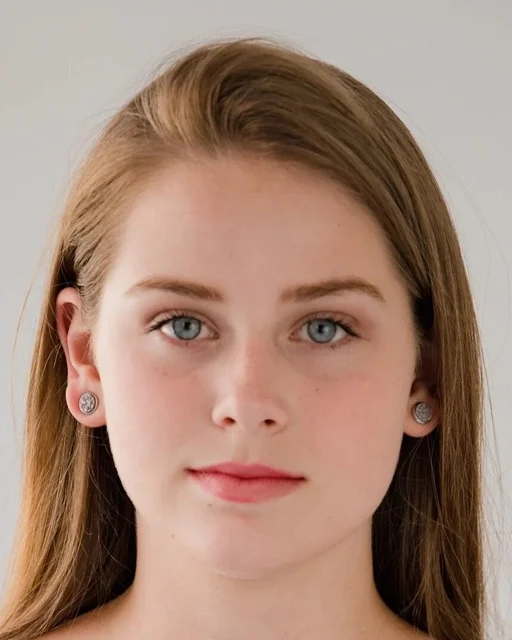
Balanced
sample type
9
measurements
Upper
+ lower
Choose a photo
Use: Use a clear photo with relaxed mouth.
Avoid: Avoid blur, obstructions, or heavy filters that hide this detail.
Use: Use a clear photo with light lip makeup.
Avoid: Avoid blur, obstructions, or heavy filters that hide this detail.
Use: Use a clear photo with front-facing.
Avoid: Avoid blur, obstructions, or heavy filters that hide this detail.
Use: Use a clear photo with sharp focus.
Avoid: Avoid blur, obstructions, or heavy filters that hide this detail.
Lip shape types
This lip shape detector compares seven practical contour and fullness patterns: heart-shaped, top-heavy, bottom-heavy, thin, wide, full, and round. Mouth width, Cupid’s Bow definition, central fullness, corner direction, and mouth opening provide supporting detail.
A defined Cupid’s Bow creates the strongest feature in the upper-center contour.
Overall visible upper and lower lip fullness is relatively light for the mouth width.
Both lips show pronounced visible fullness without one side clearly dominating the relationship.
The upper lip carries more visible height or area in relation to the lower lip.
The lower lip carries more visible fullness while the upper lip remains comparatively lighter.
The horizontal mouth span is pronounced relative to the visible upper and lower fullness.
The visible lip contour is balanced and softly rounded through the center and outer edges.
Measurement
The lip shape analyzer reads nine related dimensions: relative mouth width, overall fullness, upper-to-lower balance, Cupid’s Bow definition and peak spacing, contour roundness, central fullness distribution, current corner direction, and current mouth opening.
Cupid’s Bow, upper-to-lower balance, fullness, width, and roundness determine the seven primary types. Central distribution, corner direction, and mouth opening add context. A relaxed gently closed mouth gives the clearest baseline.
Separates horizontal mouth span from the visible amount of upper and lower lip tissue.
Shows whether fullness is led by the top lip, bottom lip, both lips, or neither fullness extreme.
Adds Cupid’s Bow, roundness, central fullness, corner direction, and mouth-opening context.
Comparison
Similar lip types can share an upper-to-lower relationship while differing in total fullness.
| Easy to confuse | What they share | The deciding difference |
|---|---|---|
| Heart-Shaped vs. Round | Both can have a curved central contour. | Heart-shaped is led by a defined Cupid’s Bow; round is led by overall contour roundness. |
| Wide vs. Thin | Both can look horizontally extended. | Wide is decided by mouth span; thin is decided by low overall fullness. |
| Top-Heavy vs. Full | The upper lip can look visibly full in both. | Top-heavy depends on upper dominance; full keeps pronounced fullness across both lips. |
| Bottom-Heavy vs. Full | The lower lip can be prominent in both. | Bottom-heavy depends on lower dominance; full keeps both lips visibly full. |
Several characteristics can coexist. The primary result follows the strongest rule, while the Complete Report keeps all nine dimensions separate.
Facial context
Mouth width and lip fullness are read beside nose width, lower-face length, and chin contour.
Use a relaxed mouth with minimal lip product.
To turn lip width, fullness, balance, and contour into optional placement choices, explore personalized makeup recommendations for liner direction and emphasis without shade or product matching.
The Complete Report keeps the primary fullness type and adds the nine measurements behind it, then connects those results to the nose, chin, lower face, and makeup guidance.
Compare Complete Report optionsRelated tools
Compare another facial feature, review visible skin, or open the complete face analysis to connect every result.
A face-shape result you can connect to what you see.
Separate left and right brow results with actionable context.
Independent eye-shape results built for practical makeup choices.
A clear primary type with proportion and contour evidence.
Scored skin observations with visible skin imperfections identified in your photo.
A complete, evidence-led view of what suits your features.
FAQ
Upload a clear photo with a relaxed mouth and the lip type detector will compare heart-shaped, top-heavy, bottom-heavy, thin, wide, full, and round patterns. Read the type together with width, fullness, balance, bow, and contour evidence.
Yes. The primary type summarizes the strongest fullness relationship, while width, Cupid’s Bow definition, roundness, and central fullness remain separate characteristics.
Use a relaxed mouth with minimal lip product.
Upload one relaxed front-facing photo to compare seven lip types through fullness, balance, width, Cupid’s Bow, and contour evidence.
Choose my photo