
Length in Context
On a balanced pattern, bridge-to-tip length sits near the middle of the midface corridor. Compare it with the eyes and upper lip.
Nose shape guide · photo-based evidence
Overview
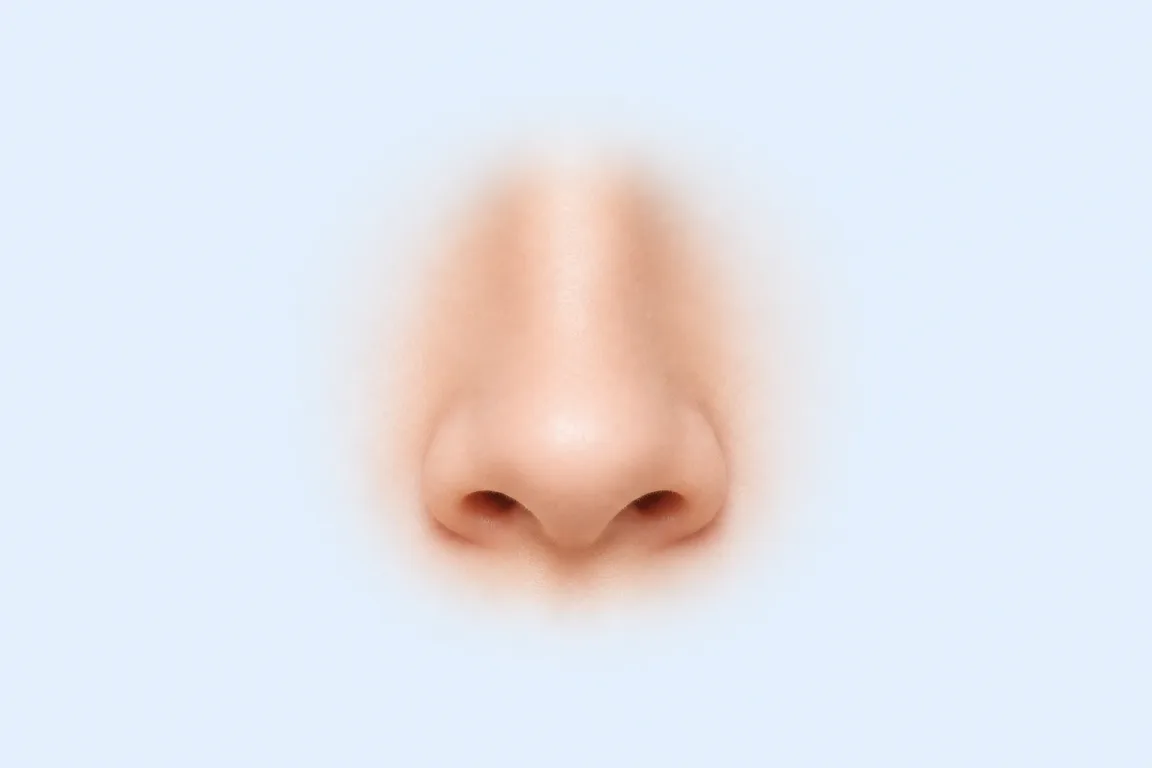
A balanced nose has length, width distribution, bridge relationships, base scale, and tip direction or contour that sit near the middle of their ranges for that face.
Visible features
On a balanced pattern, bridge-to-tip length sits near the middle of the midface corridor. Compare it with the eyes and upper lip.
Width through bridge, middle, and base looks proportionate to nearby features. Compare the nose with inner-eye distance and mouth width.
Tip finish also stays moderate, allowing length, width, and tip cues to form a balanced-proportion summary together.
Detail 1
Balanced proportion describes a nose where length, width, and tip cues feel coordinated in the front view. When one trait clearly leads, use that trait as the primary label.
Detail 2
Nose proportions are multi-dimensional. Length asks how much vertical room the structure uses.
Self-check
Use one clear front-facing photo and ask whether any single cue dominates before settling on balance.
Compare bridge-to-tip span with the eye-to-upper-lip corridor. If neither long nor short feels like an obvious first label, length may be midrange.
Scan bridge, middle, and base against the eyes and mouth. If no zone creates a strong wide or narrow first impression, width may also sit near the middle.
Check tip direction and contour last. Mild character is fine.
Compare
Balanced proportion is most often confused with long length and with wide breadth when one mild lean is over-read.
What they share
Balanced and long both care about vertical span inside the midface corridor.
The deciding difference
Long makes extended vertical span the strongest first impression. Balanced keeps length near the middle so it does not outrank width and tip cues.
Key visual
If a taller center line is the first thing you notice, lean long; if length stays unremarkable beside other cues, stay with balance.
What they share
Balanced and wide both examine horizontal distribution relative to nearby facial features.
The deciding difference
Wide is chosen when breadth through one or more zones leads the description. Balanced is chosen when width stays midrange and no zone seizes the story.
Key visual
If a broad horizontal band is the first cue, lean wide; if width only supports an even overall map, stay with balance.
Personal result
Balanced proportion is a multi-cue summary. The detector compares length, width relationships, bridge profile, base scale, and tip evidence from the same front-facing photo, then uses balanced proportion when no single extreme is the strongest pattern.
Analyze your nose shapeFAQs
It means length, width distribution, and tip cues sit near the middle for that face without one trait dominating the primary summary.
Yes. Mild tip character can remain visible as secondary detail when it does not outrank the broader proportion reading.
Read length in midface context, map width from bridge through base, then review tip direction and contour. Balance holds when no single answer becomes the obvious headline.
Single-type results name the strongest leading cue. Balanced proportion is used when the photo is better explained as a cooperative midrange combination than as one dominant trait.
Read next
Keep reading nearby nose patterns, or continue with related feature analysis tools.
Nose guide
Rounded Tip Nose vs Bulbous Nose Tip: Key DifferencesIf a soft lower-center outline is the main secondary note inside an otherwise balanced map, compare a rounded tip next. That page isolates tip contour without forcing it to rewrite the whole proportion story.
Nose guide
Long Nose Shape: What It Looks Like and How to Identify ItLearn how a long nose shape is read in a front-facing photo: vertical span, bridge-to-tip length, and tip direction in context, with practical self-check steps.
Nose guide
Wide Nose Shape: What It Looks Like and How to Identify ItSee how a wide nose shape is identified from relative width, bridge-to-base distribution, and tip breadth in a front-facing photo, plus clear comparisons with narrow and rounded-tip patterns.
Feature tool
Face Shape DetectorSee how your overall face outline frames proportion and feature placement.
Feature tool
Eye Shape DetectorContinue with eye-shape cues for another key facial-feature reading.
Feature tool
Lip Shape DetectorExplore lip shape to add lower-face context to your feature guide.